
Chasing the Unicorn: From Lab Discovery to Industrial Reality
Below are the insights and conclusions of Sebastian Alupoaie, who completed a one-week secondment at Farplas in June 2026.
As a first-year PhD student at the "Petru Poni" Institute of Macromolecular Chemistry in Iași, I am used to seeing materials through the lens of the laboratory: how they are designed, prepared, characterised, and refined. In research, the dream is what some call a "unicorn" — the rare discovery that makes it all the way from the lab bench to a real production line. It is widely sought and seldom seen because the crossing from controlled experiment to working industry is so difficult. During my one-week secondment at FARPLAS in Türkiye — completed on 12 June 2026 as part of the Talent Pass EU project — I had the chance to stand on the other side of that gap and see what it truly takes.
The experience struck a particular chord because my doctoral work sits at the intersection of circular economy and sustainable materials. Until then, I had understood sustainability mainly in academic terms: reusing waste materials, developing new ones, and showing how research can point toward greener solutions. FARPLAS changed that perspective. In industry, I learned, sustainability cannot wait until the end of the line. It is not only about what to do with waste once it exists — it is about decisions made far earlier, when materials, processes, components, and entire production strategies are still being designed. Sustainability, I came to see, is not a fix applied after the fact. It is a choice built in from the very beginning.
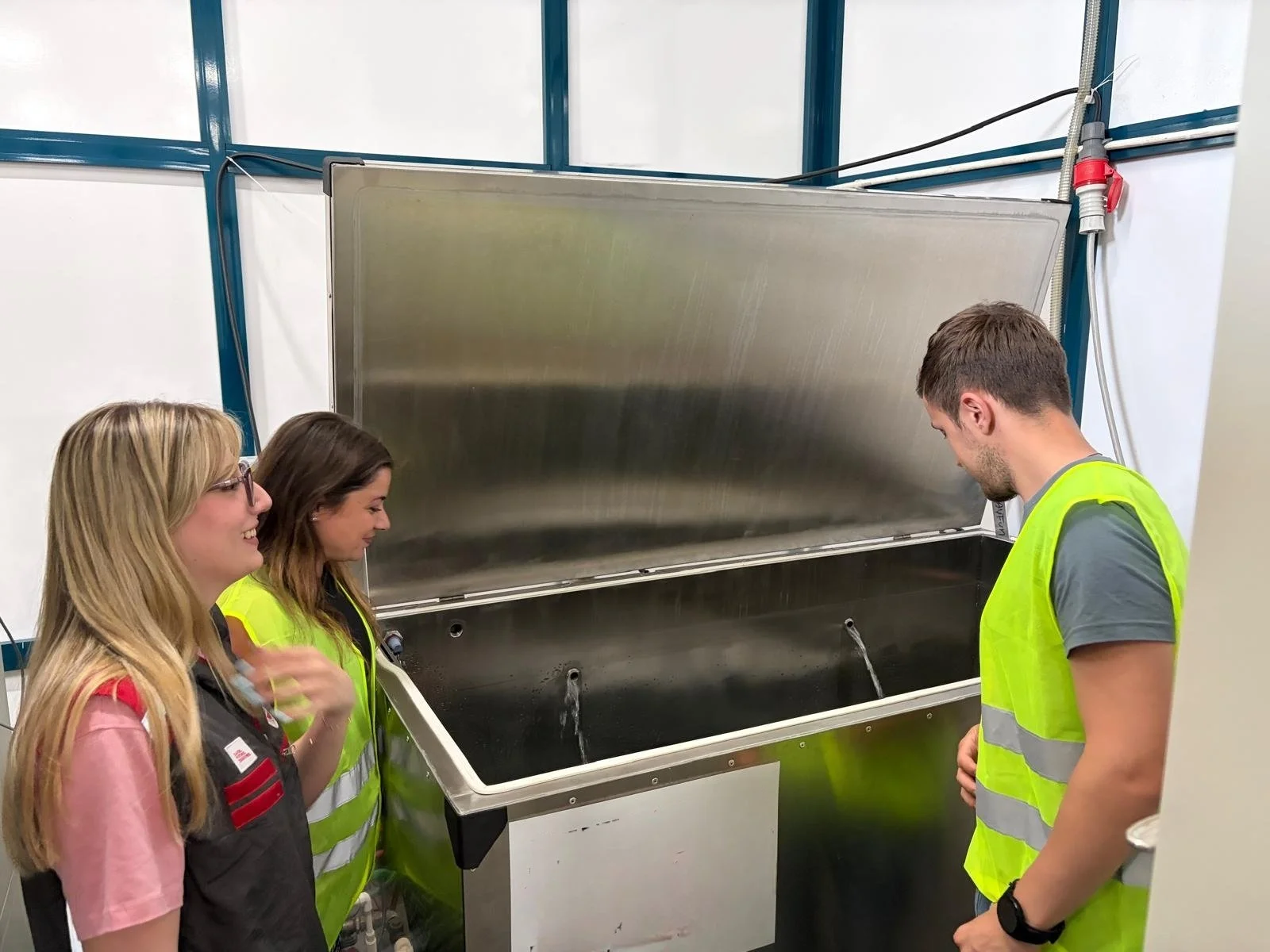
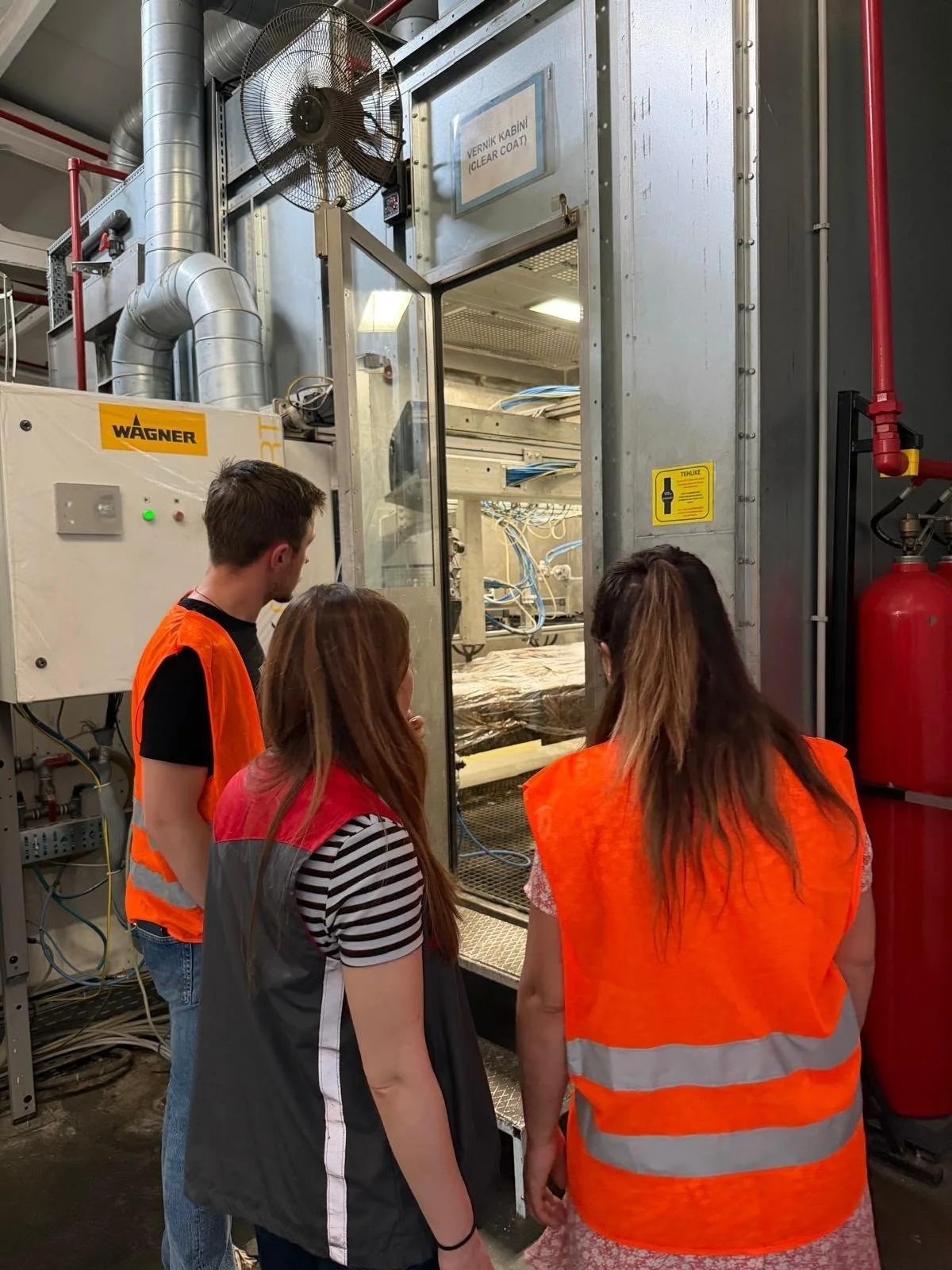
Inside the production area
One of the first moments that reshaped my perspective was stepping onto the production floor. Automotive components that look simple at a glance are, in reality, the outcome of complex chains of material selection, processing, testing, and validation. I watched the moulds used during polymer injection and followed the sequence of checks a component must pass before it can be deemed fit for use: visual inspection, durability evaluation, surface quality assessment, and other tests tied to long-term performance.
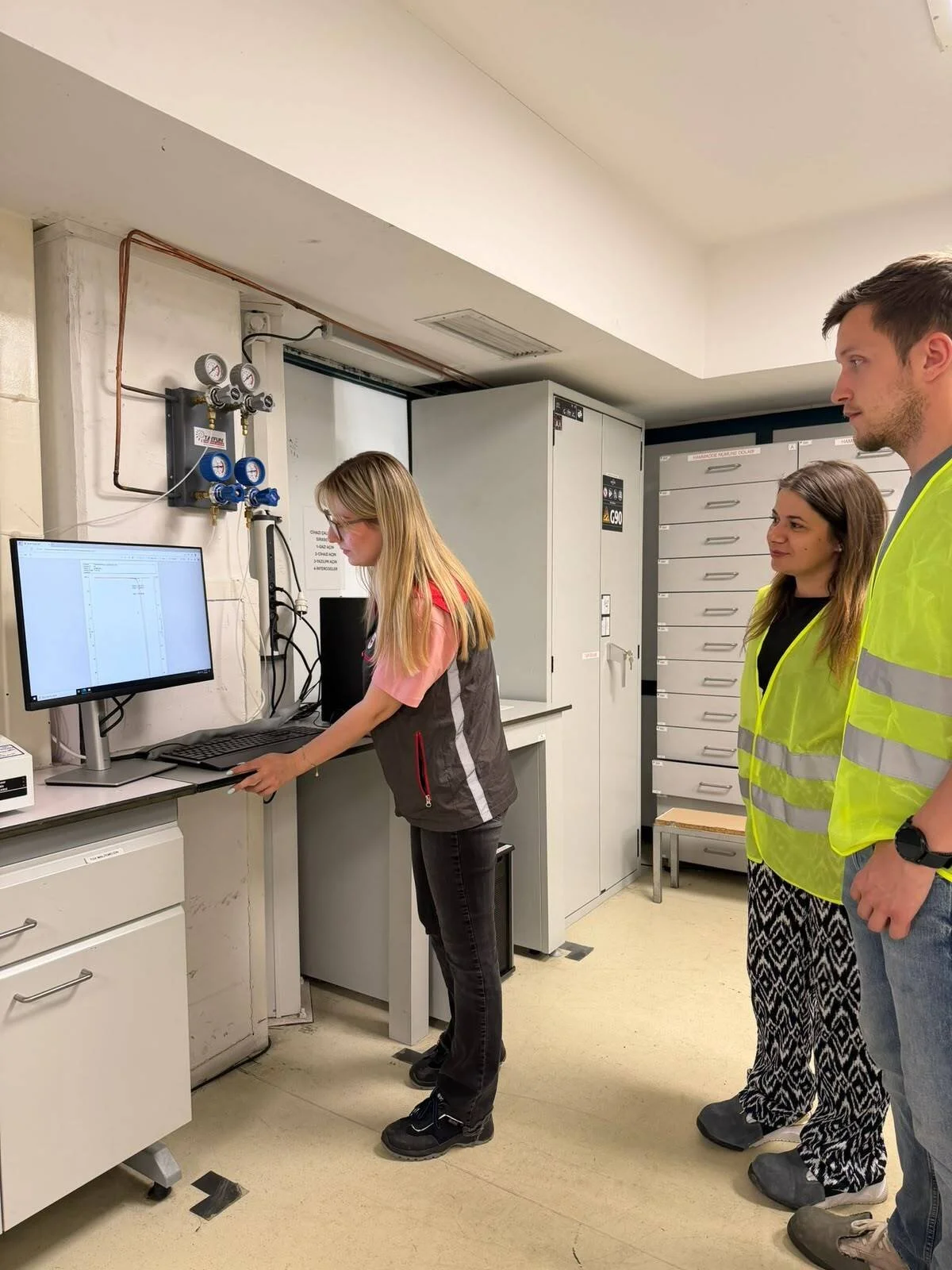
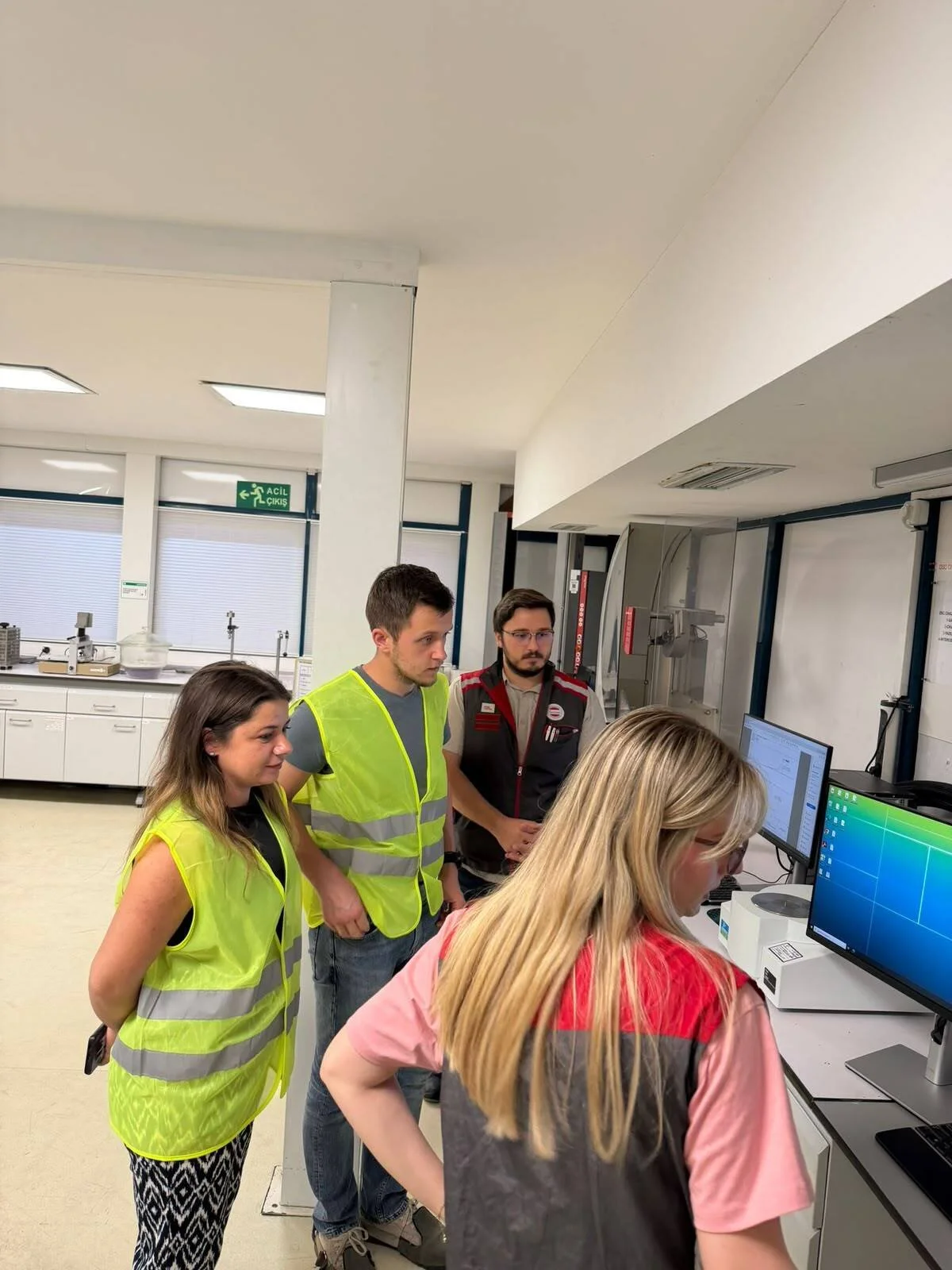
What struck me most was the attention paid to details we never notice as consumers. A surface texture is never just decoration. Whether leather-like, glossy, smooth, or primed for painting, it is bound up with material behaviour, processing conditions, client expectations, and final product requirements. Industrial research, I realised, is not only about scientific performance — it is about processability, durability, visual quality, cost, feasibility, and certification, all at once.
From a promising result to a working process
Another key part of the secondment was seeing polymer processing and material development up close. I observed both laboratory-scale and industrial-scale extrusion systems, along with the equipment used to prepare and test materials first developed at lab level. This was among the most eye-opening moments of the week. Examining the equipment, understanding its components, and discussing the genuine difficulties of processing polymer blends and additives gave me a far clearer sense of how a material moves from development into industrial use.
It also taught me that a promising result in the laboratory is only the starting point. Scale-up brings new challenges, and a material that behaves well under controlled conditions does not automatically translate to the production line. That lesson has already changed how I think about my own doctoral research. It pushed me to ask not only whether a material can be prepared successfully, but how it could be processed, characterised, tested, validated, and ultimately linked to real applications.
Sustainability, seen from the factory floor
The sustainability dimension was a major turning point. At FARPLAS, I saw how recycling, waste management, and the use of recycled polymeric materials are handled from an industrial standpoint. Circular economy in industry, I realised, is not an abstract ideal. It has to be compatible with technical requirements, production workflows, quality standards, client specifications, and long-term performance. That gave me a far more realistic and applied understanding of sustainability — and showed me, concretely, how academic research and industrial practice can meet in the middle to solve problems that already exist in modern manufacturing.
The people who made the bridge real
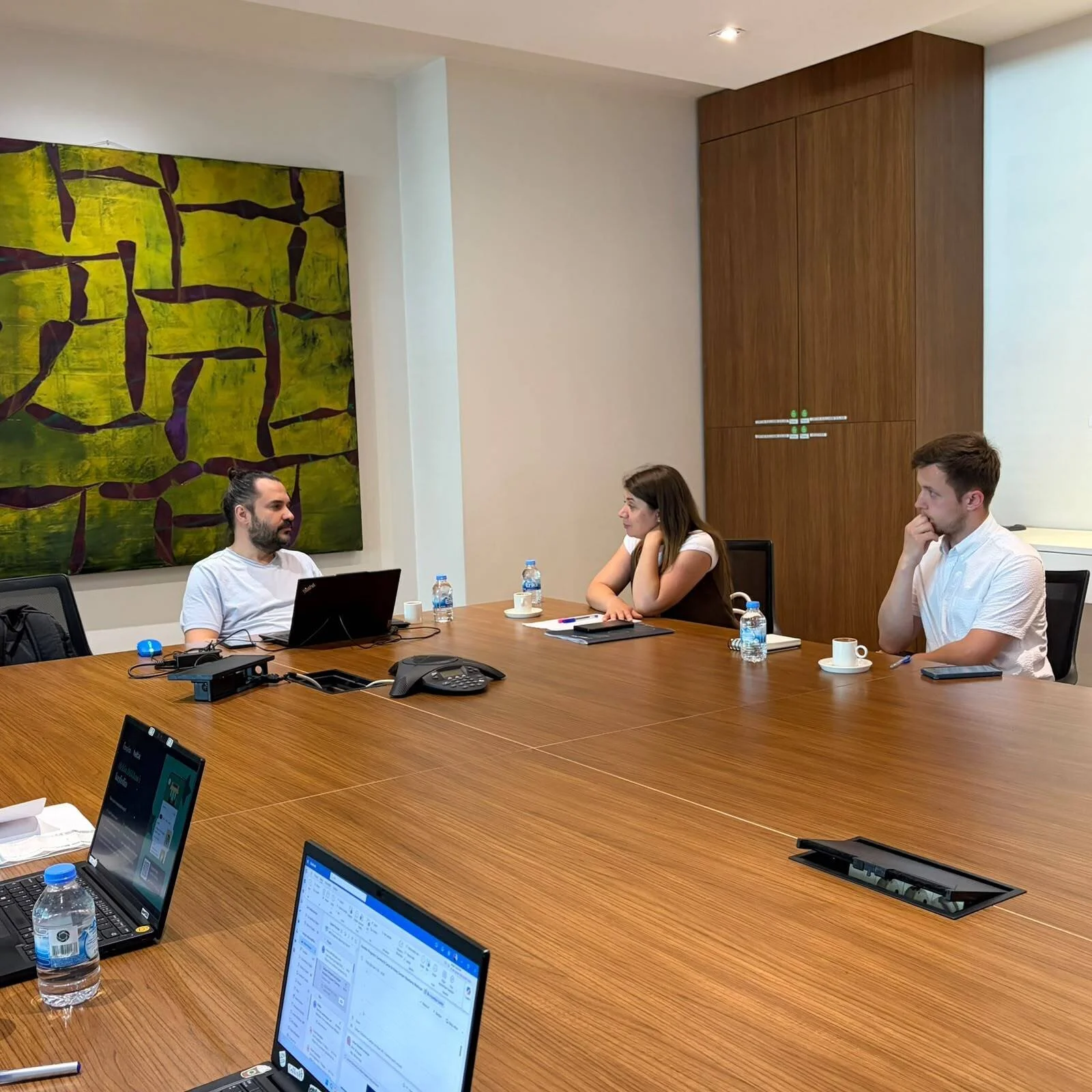
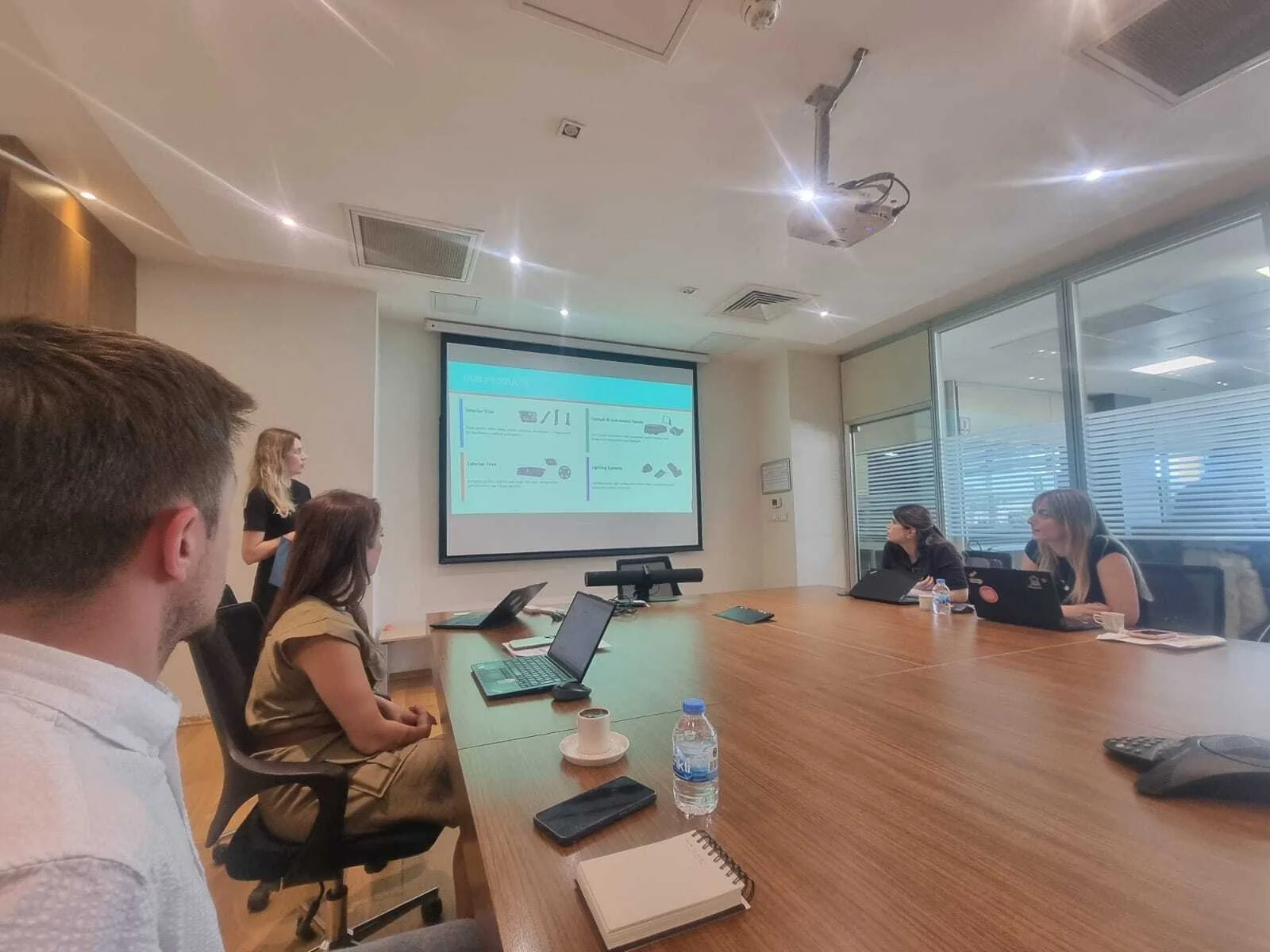
Beyond the technical knowledge, what made the experience truly valuable was the openness of the people I met. I was never a passive visitor; I felt included, seen, and actively part of the learning process. The FARPLAS team stepped away from their own work to guide me, answer my questions, and explain each process in a way that made sense to someone still at the start of their research career. Their support paired professional rigour with genuine warmth and hospitality.
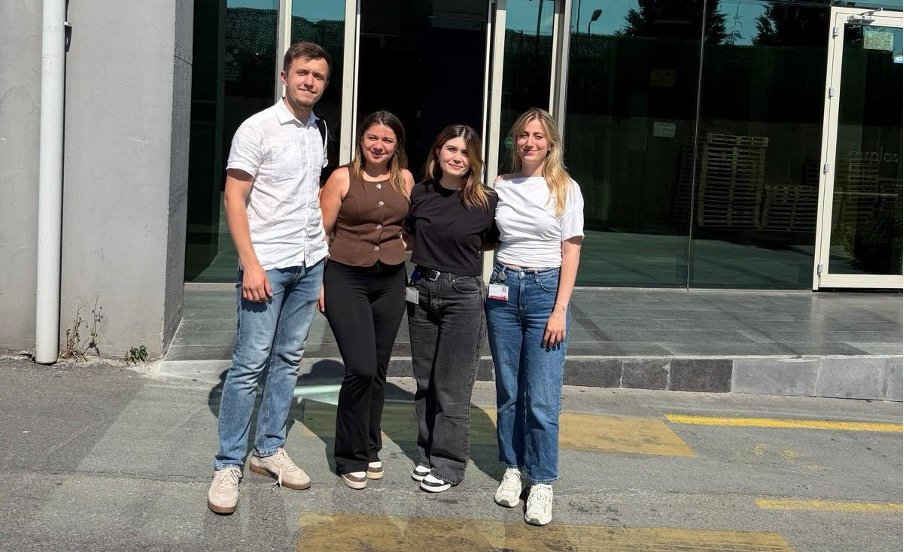
I am especially grateful to Nargiz Aliyeva, İrem Düzenli, Emirhan Göçeri, Dr Yavuz Emre Yağcı, and Özkan Aslan for their guidance, patience, and generosity throughout the week. Their willingness to share both knowledge and practical insight made the secondment far more than a simple visit — it became a real exchange of ideas, a chance to reflect, and a genuine step in my professional growth.
If I could spend another week at FARPLAS, I would arrive with even more questions. I would love to follow the full journey of a single automotive component — from the initial study of the required material, through development, injection, testing, processing, quality control, and final validation. I would want to observe more quality tests and sustainability-oriented processes in greater depth. The truth is, after seeing how much there is to learn, even another week would not be enough.
Why it matters
Looking back, this Talent Pass secondment helped me understand the connection between research, industry, and the circular economy in a way no paper could. It opened my eyes to how polymeric materials are developed and validated for real applications, and it gave me new ideas I hope to carry into my future doctoral work. Most importantly, it showed me that collaboration between academia and industry is not merely relevant — it is necessary if we want research to answer the real technological and societal challenges in front of us.
If another PhD student asked me whether such a secondment is worth it, my answer would be an unhesitating yes. It is worth it for the people, for the exposure to industrial reality, for the freedom to ask questions, and for the way it widens your perspective as a young researcher. For me, this was never just a professional visit. It was a step toward understanding how research can become more connected, more applied, and more meaningful — and proof that the unicorn is worth chasing, because the bridge from lab to industry is built one deliberate step at a time.